Fit Home Gym: Harnessing Isometrics and Suspension for Functional Strength
Creating a fit home gym has never been easier, more affordable, or more efficient. Whether you’re limited on space or time, this approach offers everything your body needs—without bulky equipment or expensive memberships. Even better, combining isometric and suspension training results in real-world strength, improved mobility, and better injury prevention.
Forget the outdated gym grind. It’s time to build smarter movement, from the comfort of your own home. Let’s dive into what makes this system so powerful, practical, and perfect for long-term functional health.
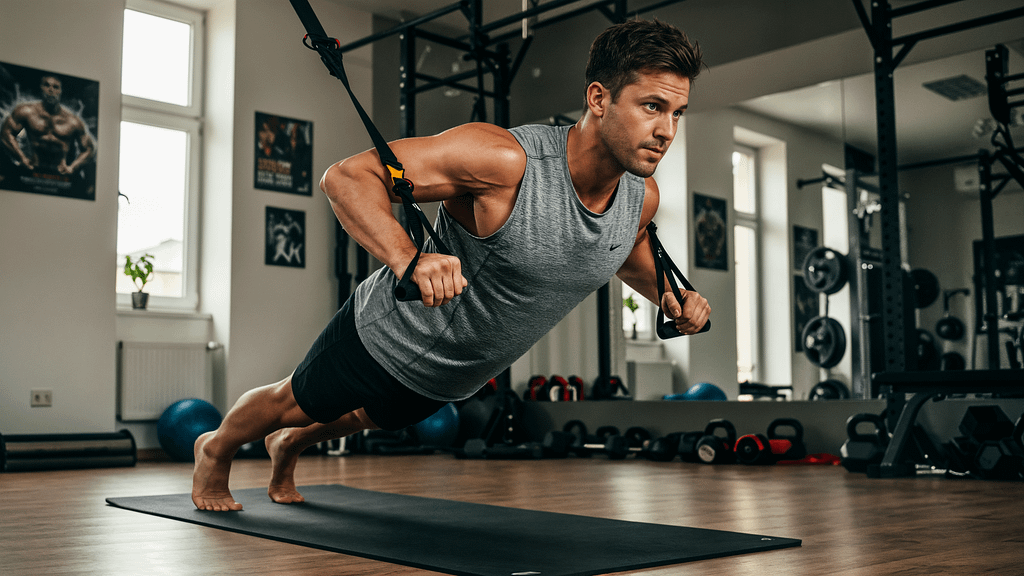
How Iso Fit Home Gym & Traditional Weight Training Stack Up
Traditional weight training has its benefits, but it often isolates muscles. This works well for sculpting a certain appearance—but not for real-life movement. When your body works in parts instead of as a whole, muscle imbalances occur. Over time, these isolated efforts can lead to overuse injuries, mobility restrictions, and lack of coordination.
Worse yet, standard weight lifting routines can be tough on the joints. Without proper guidance, they can invite more harm than help. That’s why a smarter approach is gaining attention across rehab spaces, physical therapy programs, and functional fitness circles: isometrics and suspension training.
What Is Isometric Training?
Isometric exercise means holding a muscle contraction without moving the joint. For example, think of a plank—even though you’re not “moving,” your muscles are fully engaged. This tiny shift in how you work creates massive improvements in:
- Muscular endurance
- Joint stability
- Tendon health
- Core control
And yes, isometrics also build visible strength through the practice called overcoming isometrics. You’ll feel leaner, taller, and more centered after regular iso practice.
The Magic of Muscle Chains
One of the biggest benefits of isometric training is muscle chain activation. Rather than move one muscle independently, like in most weight training lifts, isometric holds activate multiple muscle groups simultaneously. This is where functional fitness comes into play. Need to carry groceries? Tie your shoes? Lift your kid or move furniture? Your body uses chains of muscles, not single muscle groups.
Isometric exercises teach those chains to fire in sync—making daily tasks safer, easier, and stronger. Unlike weight training, which might inflate the biceps and ignore the lats, isometrics develop movement intelligence. That kind of strength is long-lasting, and it supports your life beyond the mat.
Suspension Training: The Perfect Companion
Now layer in suspension training. Using a simple set of straps anchored to your door frame, ceiling, or pull-up bar, you’ll unlock your body’s full potential. You can adjust every movement to your fitness level, making it ideal for beginners and seasoned athletes. Suspension workouts improve:
- Total body coordination
- Core strength
- Balance
- Postural awareness
- Joint integrity
Together, isometrics and suspension training give you a 360-degree workout experience—while using minimal space and no heavy equipment. That’s what makes this combination the perfect foundation for your fit home gym.
Proactive PT: Training That Heals and Protects
You’ve probably heard of physical therapy after an injury—but what about proactive physical therapy? This approach aims to strengthen the connective tissues, joints, and muscle systems before an injury ever happens.
Both isometrics and suspension training are cornerstones of proactive PT. They condition the tendons and ligaments, enhancing their ability to absorb force and resist breakdown. These techniques:
- Lower your risk of injury from sports or repetitive tasks
- Prepare your body for sudden movements or unexpected challenges
- Help you recover faster if an injury does occur
- And because these exercises are gentle on your joints, you can safely train every day without overdoing it.
How Much Space Does Fit Home Gym Need?
Not a lot. Your full fit home gym can operate in the corner of a bedroom, living room, or garage. All you need is enough floor space to lie down and reach overhead. Just about 6×6 feet. Mount a suspension strap (like a TRX or WOSS) to a door or beam. Add a yoga mat or towel. You’re ready to go. Say goodbye to massive machines collecting dust. No clanking weights. No awkward equipment in your living space.
Time Saving + Results - Packed
Another big bonus? Training with isometrics and suspension saves time. You can build strength and activate your nervous system in less than 20 minutes per day.
Here’s how: Instead of doing 3 sets of 15 reps for five exercises, you can hold one isometric pose for 30–60 seconds per muscle group. Add 2–3 suspension combinations, and you’re done. This time efficiency is perfect for:
- Parents with busy schedules
- Professionals working from home
- Seniors who want joint-safe strength
- Athletes looking for smart recovery options
Even 5 minutes of focused isometric work can make a huge difference in how you feel throughout the day.
Daily Activities Get Easier
Remember, the goal of functional fitness is to perform daily tasks with strength and control. Carrying groceries, walking stairs, sitting for long hours, playing with kids, and climbing into trucks all require stability. Conveniently, a well-designed home fitness plan using isometrics and suspension promotes:
- Better posture while sitting and standing
- Fewer aches from common routines
- Injury resistance during sudden movements
- Mental clarity through breath-based holds This kind of strength is more than muscle—it’s freedom in motion.
Sample Fit Home Gym Routine
Here’s a balanced, beginner-friendly routine using isometrics and suspension training.
Warm-Up (2–3 mins)
March in place
Arm circles
Deep squats
Isometric Circuit
Wall Sit (60 seconds) – quads, glutes, core
Plank Hold (30–60 seconds) – full core
Standing Iron Shirt Posture (60 seconds) – full lateral chain
Isometric Hip Bridge Hold (45 seconds) – glutes, hamstrings
Lunge Hold (30 seconds per side) – legs, hips, stabilization
Suspension Exercises
Suspension Row (10 reps with slow tempo)
Suspended Squat with Hold at Bottom (5 reps + 10-second hold)
Suspension Push-Up (adjust incline based on strength)
Cool down with 1–2 minutes of deep breathing and stretching.
This simple circuit targets the entire body while activating stabilizers and nervous system connections.
Equipment You’ll Need
To build your fit home gym, here’s your basic checklist:
✔️ Suspension Trainer (TRX, WOSS, or similar)
✔️ Non-slip Yoga Mat
✔️ Wall space or door anchor
✔️ Small towel or cushion (for knee support)
OPTIONAL:
Resistance bands for warm-up
Foam roller for recovery
Light hand weights (for circuit variations)
All of this fits in a closet or under your bed—and costs a fraction of traditional gym gear.
Connecting to Local Classes and Support
Want accountability and expert guidance? If you’re in Hurst, Texas or surrounding Mid-Cities, check out local kinesiology and functional fitness classes at Active Healing. We offer:
In-person functional fitness classes
Energy therapy fused with performance training
Brain-body integration for long-term mobility
Applied kinesiology-based assessments
Fascia release massage to reset the nervous system.
You don’t need to navigate your fitness journey alone. Combining at-home practice with group sessions can supercharge your results.
Conclusion: Your New Fit Home Gym Awaits
A fit home gym is more than just a convenient workout setup—it’s a gateway to consistent, efficient, and long-lasting strength. Using the power of isometrics and suspension training, you activate entire muscle chains, condition tissue, and bulletproof your body. You don’t need a gym membership. You don’t need machines. You just need smart strategy and 20 minutes a day. Your body wants to move better. Your home gym just made it easier.
🎯 Ready to build strength from the inside out? Join our functional fitness classes in Hurst, TX or schedule a custom assessment at ActiveHealing.us
References
- The Benefits of Isometric Exercises – American Council on Exercise (ACE)
- Importance of Muscle Coordination in Functional Fitness – Journal of Sports Science and Medicine
- What Is Suspension Training? – Fitness Republic
- Proactive Interventions in Sports Rehabilitation – American Journal of Sports Medicine
- 10-Minute Full-Body Workouts – Men’s Health
 English