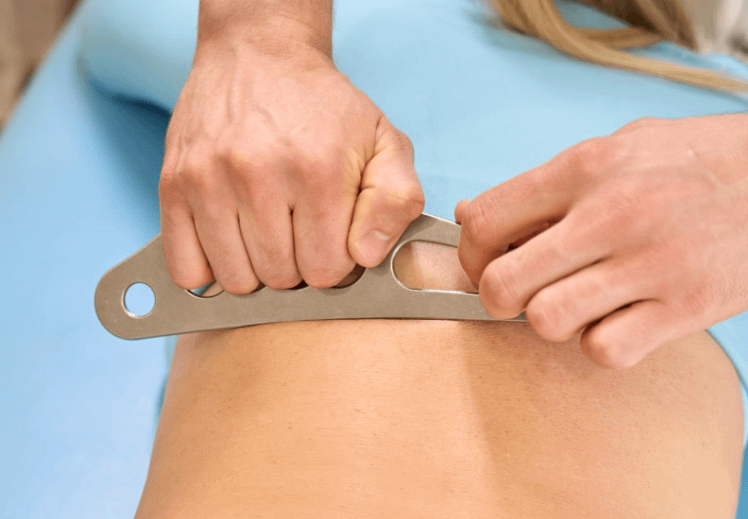
Muscle Scraping Massage
60 Min $100 | 90 Min $140 | 30 Min Add On $45
What Does Scraping Massage Do?
Muscle scraping benefits have gained significant attention in the world of physical therapy and sports medicine. This technique, also known as Gua Sha, offers unique advantages for muscle recovery, pain relief and beauty care.
Benefits of scraping massage includes effective treatment for wide range of conditions. These include carpal tunnel syndrome, tendinitis, plantar fasciitis, and various musculoskeletal imbalances. Muscle scraping massage is particularly useful for addressing soft tissue injuries and chronic pain conditions. Many patients experience faster recovery times, reduced pain, and improved function with this treatment.
Scraping massage benefits include breaking up scar tissue and promoting blood flow to targeted areas1. It involves using specialized tools to apply pressure and scrape the skin, stimulating the underlying tissues.
Due to the reduced compression, muscle scraping can reach deeper layers of fascia more effectively than other manual deep tissue massage. Similarly to ashiatsu massage it allows more consistent spread-out pressure that is not limited by reciprocal compressive forces acting on the therapist’s fingertips. Unlike ashitasu however it offers a lot more control and precision. It also differs from myofascial release by creating controlled microtrauma to stimulate healing.
Compared to cupping, scraping massage offers more precise targeting of specific muscle groups and fascia. This allows for more focused treatment of problem areas. Although both therapies offer remarkable blood flow benefits, muscle scraping may do so more effectively. However, cupping would generally be more effective for tissue detox and for the release of trapped adhesions and compressions.
As with any medical treatment, it is recommended to consult with a certified practitioner to determine if muscle scraping is appropriate for your specific condition.
Skin Scraping Massage Benefits
The skin plays a crucial role in the effectiveness of muscle scraping. By stimulating the skin, this technique triggers a healing response throughout the body1.
Skin scraping massage benefits include improved circulation, reduced inflammation, and enhanced lymphatic drainage. These effects can lead to faster recovery and reduced muscle soreness.
Practitioners use the specially designed tools to detect and break down scar tissue, muscle knots, and fibrous tissue that may be causing pain or restricting movement1. The technique works by creating controlled microtrauma in the affected areas, which stimulates the body’s natural healing response1. This process can lead to improved blood flow, increased cellular activity, and enhanced tissue repair.
Scraping Therapy Benefits for Other Body Parts
Scraping Therapy Shoulder
Shoulder issues often benefit from muscle scraping to release tension in the rotator cuff and surrounding muscles.
Scraping therapy for the shoulder may improve range of motion and reduce pain associated with overuse injuries. It’s particularly useful for athletes and individuals with desk jobs.
Muscle Scraping for Plantar Fasciitis
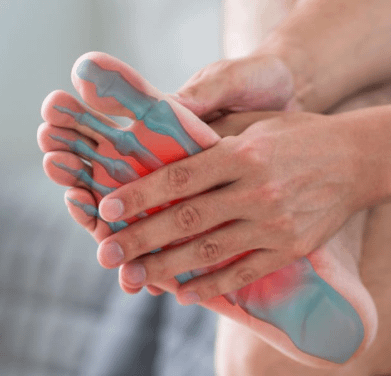
Plantar fasciitis sufferers may find relief through muscle scraping. This technique can help break up adhesions in the plantar fascia.
By promoting blood flow to the affected area, scraping may accelerate healing and reduce pain. It’s often used in conjunction with other treatments for optimal results.
Scraping Therapy Knee
Knee pain can be effectively addressed with scraping therapy by focusing on muscles and fascia surrounding the knee joint.
Gua sha knee treatments can improve mobility and reduce pain associated with conditions like patellar tendinitis. It’s a non-invasive option for those seeking alternatives to medication or surgery.
IT Band Scraping
The iliotibial (IT) band often benefits from scraping techniques. IT band scraping can help release tension and improve flexibility in this notoriously tight area.
Regular scraping of the IT band may reduce the risk of running-related injuries and improve overall leg function. It’s particularly popular among runners and cyclists.
Therapeutic Microtrauma Explained
Microtrauma, in the context of scraping therapy, refers to controlled, minor injuries intentionally created in the soft tissues. This process is a key mechanism behind the therapeutic effects of scraping techniques.
When a practitioner applies a scraping tool to the skin with controlled pressure, it causes tiny, localized damage to the underlying tissues.
This microtrauma:
Triggers the body’s natural inflammatory response5.
Stimulates increased blood flow to the affected area4.
Activates the body’s healing processes6.
The microtrauma created by scraping is believed to:
Promote tissue repair and regeneration
Enhance collagen production
Release anti-inflammatory molecules2
While it may seem counterintuitive, this controlled microtrauma can lead to several benefits:
Improved circulation in the treated area
Reduced muscle tension and pain
Enhanced tissue flexibility and range of motion1
It’s important to note that the microtrauma induced by proper scraping techniques is mild and should not cause significant discomfort or lasting damage.
Does Muscle Scraping Hurt?
Muscle scraping can cause mild discomfort, but it shouldn’t be excessively painful. The sensation is often described as a “hurts-so-good” feeling, similar to a deep-tissue massage1.
When it comes to pressure, practitioners typically follow these guidelines:
Moderate pressure is recommended, aiming for about a 6/10 on the pain scale9.
The pressure should be firm enough to feel effective but not cause significant pain7.
Some discomfort is expected as the technique focuses on areas of tension and adhesions7.
The sensation may feel like a mild burning or soreness in tight areas, but this is usually short-lived1.
It’s important to note that pain tolerance varies among individuals. Don’t feel shy to communicate with your therapist during your session to ensure the pressure is comfortable. If using a muscle scraping tool at home, start with lighter pressure and gradually increase as tolerated.
After a session, it’s normal to experience some soreness for a few days, similar to how you might feel after an intense massage. Redness or minor bruising may also occur but typically fades within a day or two.
Compare Muscle Scraping Benefits to Other Fascia Therapy
It’s important to note other fascia therapies offer both similar and distinct benefits for your body to heal.
Like scraping, cupping therapy does cause controlled microtrauma to the treated tissues to stimulate the body’s natural healing response.
The suction from cupping creates separation between tissue layers, stretching fascia and muscles. This mechanical action:
Improves blood circulation to the area
Promotes lymphatic drainage
Stimulates sensory nerves
Decompresses fascia
On the other hand, Barnes myofascial release and the fascial distortion model(FDM) don’t rely on microtrauma for effectiveness.
Barnes myofascial release uses sustained pressure to stretch and elongate fascia. Bioelectric heat through a process called piezoelectricity occurs when sustained pressure is applied by hand to the fascia for an extended period. This gentle technique aims to restore fascial mobility without causing tissue damage.
The fascial distortion model focuses on identifying and correcting specific fascial distortions. Practitioners use targeted manual techniques to physically reverse these distortions, restoring normal fascial function.
These approaches provide fascial release through different mechanisms:
Mechanical stretching of fascial tissues
Breaking down adhesions between fascial layers
Stimulating mechanoreceptors to reduce pain and muscle tension
Improving circulation and lymphatic flow
Each technique is a tool that oftentimes works synergistically in combination with other fascia therapies to restore proper fascial mobility and function, reducing pain and improving range of motion.
Graston Technique Muscle Scraping Explained
The Graston Technique is a muscle scraping method that has gained popularity in physical therapy and sports medicine. Developed by an amateur athlete seeking better rehabilitation options, the Graston Technique was patented in 1994.
Graston Technique features:
- 6 distinct stainless-steel tools with curvilinear edges & concave/convex shapes that mold to various body contours
- their design also allows the tools to resonate in therapist’s hands similar to tuning forks, to identify and isolate adhesions and restrictions.
- a protocol of varied stroke types
Conclusion
Muscle scraping benefits extend beyond traditional massage techniques, offering unique advantages for various musculoskeletal issues. From improving circulation to breaking up scar tissue, scraping massage benefits are numerous and well-documented.
Whether you’re dealing with shoulder pain, plantar fasciitis, knee issues, or IT band tightness, muscle scraping may provide relief. As with any therapy, consult a professional before starting a scraping regimen.
Remember, the key to effective muscle scraping lies in proper technique and consistent application. When done correctly, it can be a valuable addition to your recovery toolkit.
Sources:
 English